Nairobi Trust Summit Calls for Greater Transparency in AI and Digital Platforms
The proposed Global Trust Facility would mobilise voluntary contributions from state and non-state actors over an initial four-year period to finance institutional systems that support public confidence.

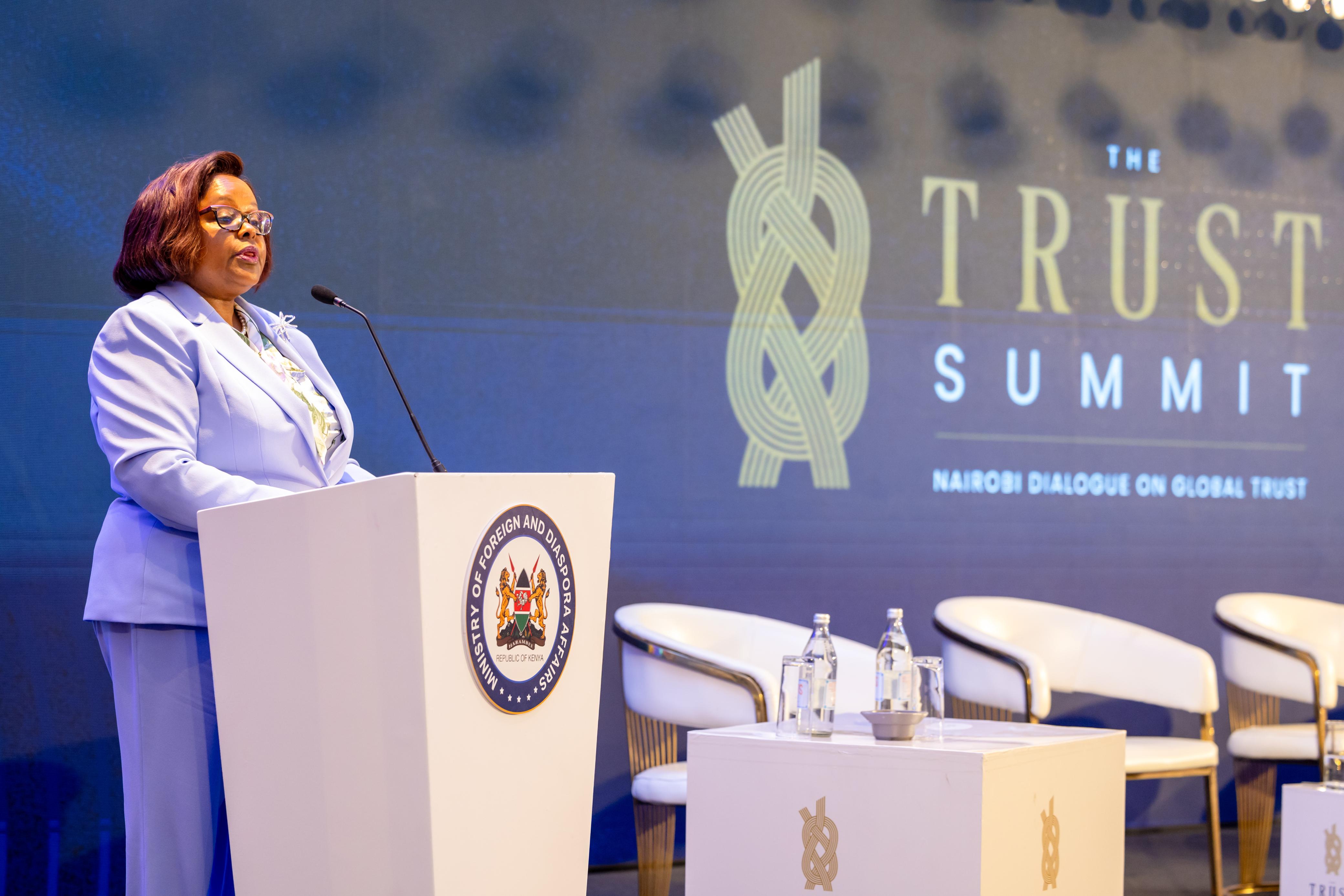
The inaugural Trust Summit 2026 has called for stronger international cooperation on artificial intelligence governance, greater transparency in digital platforms and improved safeguards for independent journalism as part of a global effort to rebuild public confidence.
The proposals are contained in the 29-point Nairobi Call to Action on Global Trust, adopted on October 23 following a three-day summit in Nairobi that examined the effects of declining trust on public institutions, international cooperation and social cohesion.
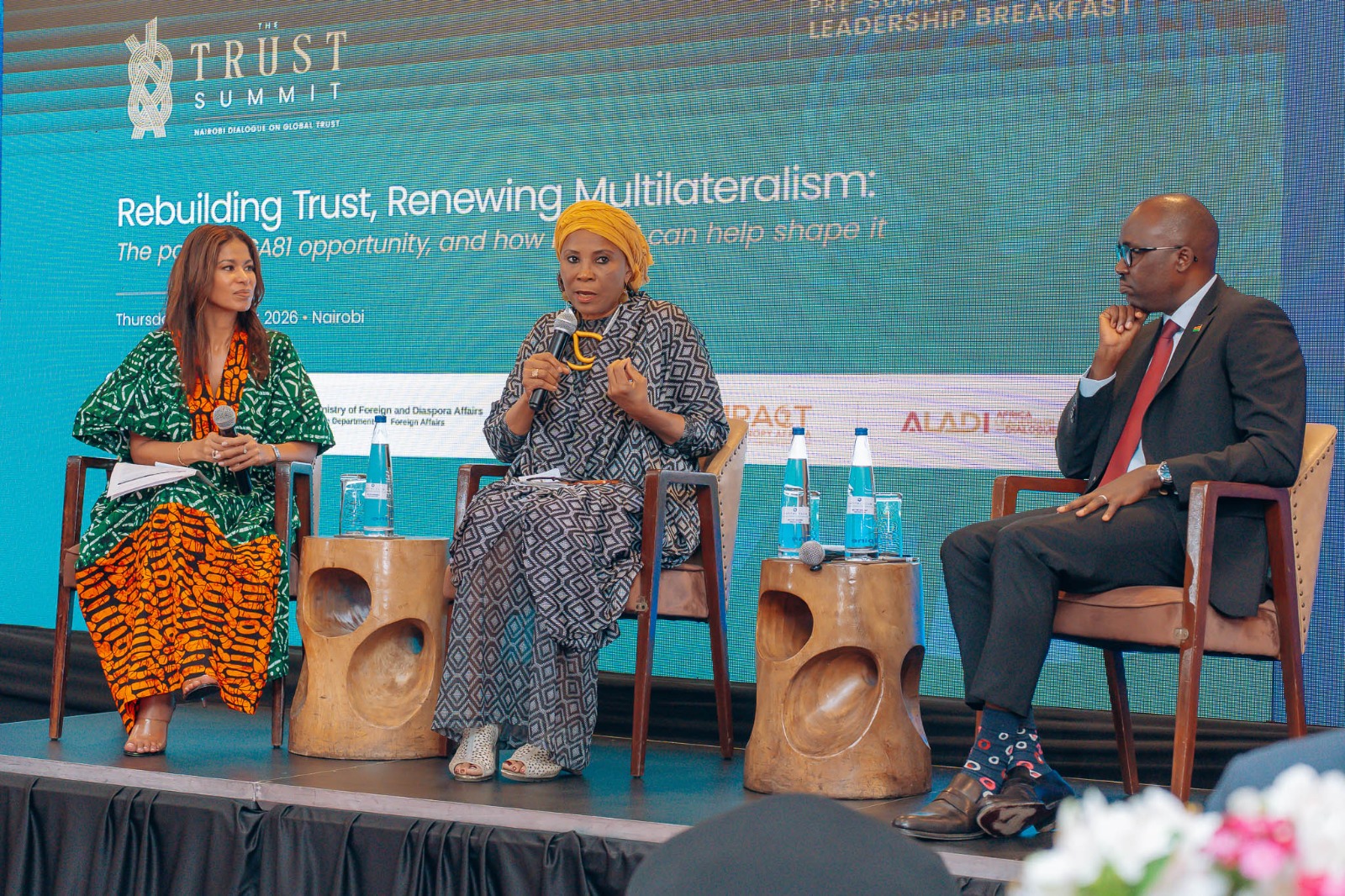
Held under the theme “Weaving Trust: Binding Strands for a Stronger Global Order,” the summit brought together government representatives, international organisations, business leaders, civil society, academics, technology experts, media practitioners and young people.
The agreement urges countries to accelerate implementation of the Global Digital Compact and strengthen international cooperation on artificial intelligence governance. It also calls for meaningful African participation in global digital policymaking, greater transparency around platform algorithms and synthetic content, and stronger protection for scientific integrity and independent journalism.
The digital agenda forms one of four priorities in the Call to Action, alongside restoring trust in public institutions, reforming multilateral systems and advancing inclusion.
The framework treats trust as a global public good that must be supported by accountable institutions and systems capable of delivering on their commitments.
“Trust is a public good that must be deliberately nurtured, financed and strengthened. The true measure of this Summit will be the commitments we translate into tangible outcomes for our citizens,” said Korir Sing’Oei, Principal Secretary in Kenya’s State Department for Foreign Affairs.
Sing’Oei said the next phase would include developing a practical implementation plan and extending public engagement campaigns to counties.
Regulators and public institutions would be encouraged to explain their decisions, demonstrate accountability and show citizens how they protect the public interest.
The summit also proposed three mechanisms to support implementation: a Coalition on Global Trust, a Nairobi Trust Council to be hosted by Kenya, and a Global Trust Facility at the United Nations.
The coalition would bring together governments and non-state actors to exchange knowledge and coordinate initiatives. The council would involve prominent figures from the public, private and philanthropic sectors in reviewing progress and encouraging accountability.
The proposed Global Trust Facility would mobilise voluntary contributions from state and non-state actors over an initial four-year period to finance institutional systems that support public confidence.
The United Nations Development Programme is envisaged as the administrator, subject to further development and implementation.
Potential areas of support include data protection, cybersecurity authorities, national accreditation bodies, regulatory trust indices and judicial cooperation mechanisms.
The agreement extends the trust agenda to regulatory institutions, proposing an annual Regulatory Trust Index at national, regional and global levels. It also calls for stronger regulatory cooperation and mutual recognition through frameworks such as the East African Community and the African Continental Free Trade Area.
On international governance, the Call to Action advocates reforms to multilateral institutions and the global financial architecture to make them more representative, transparent and accountable. It proposes a review conference on the United Nations Charter under Article 109, stronger global health governance and improved coordination among regional organisations working to prevent and resolve conflicts.
The document also calls for predictable climate financing, technology transfer and capacity building, arguing that international climate commitments must be matched by practical support for countries facing disproportionate risks.
Inclusion is another central concern. The framework calls for children, young people, women, persons with disabilities, displaced persons and excluded communities to participate meaningfully in decisions affecting their lives. It also advocates expanded access to jobs, entrepreneurship and finance for young people.
Participants emphasised Africa’s role in shaping global governance and digital inclusion. With approximately 70 per cent of sub-Saharan Africa’s population under 30, the agreement argues that young people must be active contributors to policy development and institutional reform.
Awel Uwihanganye, Chief Executive Officer of the Trust Summit, said the agreement was intended to move the international community towards practical solutions.
“The Nairobi Call to Action moves the world from diagnosing the trust deficit to doing something about it. Trust is a global public good, and no institution, sector or country can rebuild it alone,” he said.
The Summit Secretariat will develop a Framework for Action with monitoring, tracking and reporting arrangements, including biennial reviews. The agreement also encourages international organisations, including the United Nations Conference on Trade and Development, to undertake biennial studies examining the economic costs of distrust.
The Trust Summit is expected to convene every two years, with consideration being given to extending the Trust Dialogues to regional and international platforms.
Implementation will require governments, technology companies, regulators, international organisations and civil society to translate the proposals into practical measures and measurable results.
The summit has invited governments, businesses, young people and civil society organisations to engage with the Coalition on Global Trust and support the Nairobi Call to Action.
The full agreement is available at www.globaltrustsummit.org.