Spotify Names Solana EQUAL Africa Artist for October
Nigerian singer and songwriter brings her blend of alternative R&B, electronic music and pop to the spotlight, with her first South African performance set for Johannesburg.
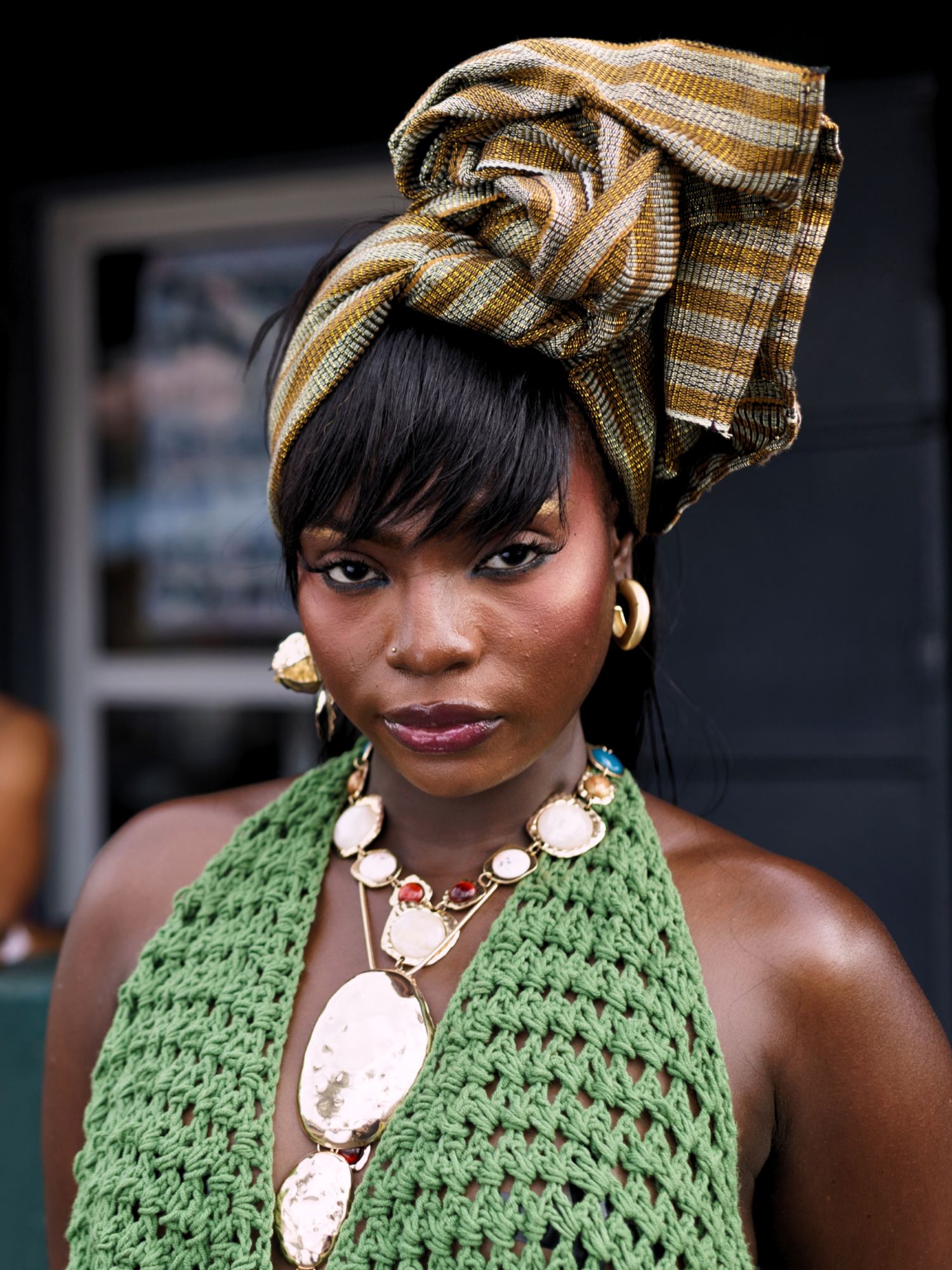
Spotify has named Nigerian singer and songwriter Solana its EQUAL Africa Artist for October, recognising her distinctive sound, visual storytelling and growing contribution to contemporary African music.
The recognition places Solana among women artists being supported through Spotify’s EQUAL Africa programme, which seeks to amplify female voices across the continent and connect their music with audiences worldwide.
The spotlight comes as the singer promotes her featured track, Okunkun, a Yoruba-language song whose title translates to “darkness”. The track explores the challenges people face during difficult periods in life, encouraging listeners to keep moving forward rather than remain trapped in despair.
October also marks a major milestone in Solana’s career, as she prepares to perform in South Africa for the first time at Spotify’s EQUAL Artist Showcase in Johannesburg on October 14.
The performance will give her an opportunity to introduce her music and creative world to South African audiences, expanding her reach beyond Nigeria.
Phiona Okumu, Spotify’s Head of Music for Sub-Saharan Africa, said Solana’s artistry reflects a distinctive blend of personal expression and cultural identity that can resonate with audiences across the continent.
“Solana has built a world that’s so entirely her own, and yet somehow anyone who grew up African will recognise at least one corner of it,” Okumu said.
“Her sound is one that requires no passport. EQUAL exists to champion this refreshing balance, and we’re thrilled to bring her to a South African stage for the first time this October.”
Solana’s music draws from her Nigerian roots and Yoruba cultural influences, combining elements of alternative R&B, electronic music and pop. Her approach to music centres on emotional expression, with each sound and creative choice reflecting different dimensions of her identity.
Her early musical influences include Nigerian icons King Sunny Ade and Ebenezer Obey, whose music she grew up listening to at home. She later discovered Lagbaja and other artists through music videos on television, which became a regular source of musical discovery.
These influences continue to inform her artistic direction as she experiments with different genres while maintaining a personal connection to her cultural background.
For Solana, music has long served as a means of expression and a refuge. Describing herself as someone who does not speak much, she said music provides a safe space through which she can communicate feelings that might otherwise remain unspoken.
“I just use the word ‘expression’ because my sound and style is so many different things tied to one thing, which is expressing myself and my emotions in the way that feels most authentic to me,” she said.
Beyond the music, Solana is developing a distinctive visual identity through her signature hairstyle, contemporary interpretations of traditional attire and an experimental, fashion-forward aesthetic. Her creative world also extends to her fan community, known as the Lanterns.
She engages the community through exclusive first-listens, intimate meet-ups, newsletters and other experiences designed to bring fans closer to her creative process.
The relationship with her listeners reflects her broader approach to artistry, which places personal connection and authenticity at the centre of her work.
Turning darkness into a message of hope
Her featured track, Okunkun, captures the emotional depth she seeks to communicate through music. Although she initially struggled with choosing darkness as the song’s title, she eventually concluded that it accurately conveyed the message behind the track.
“Everyone goes through darkness from time to time. Some people see a way out, while some don’t, they just get lost in it,” she said.
“What I tried expressing in this song, and to myself, is: keep moving forward, don’t stay in that darkness. Life is too beautiful for you to waste it away in darkness, and when you step out of the dark, you would definitely see how good life can get.”
She encouraged listeners to recognise the circumstances weighing them down and take steps towards leaving them behind.
The message reflects her broader interest in using music to communicate personal experiences and emotions in ways that listeners can relate to, regardless of their backgrounds.
Navigating the music industry as a woman
Solana’s EQUAL Africa recognition also comes against the backdrop of the challenges women continue to face in the music industry, where their talent and professional abilities can be met with greater scrutiny.
She acknowledged that women often have to work harder to be taken seriously but said she has chosen to focus on her abilities rather than allow those attitudes to define her career.
“It’s a fact that as a woman, it’s harder for people to take you seriously, but I’ve just accepted that as a people problem, not mine,” she said.
She explained that she deliberately approaches her work by presenting herself as an artist whose talent and creative expression should speak for themselves.
“Consciously when I show up, I’m not showing up as a woman or a man or anything, I’m just showing up as Solana who is incredibly talented, and I think that ultimately shows up in the way I express myself in my art,” she said.
Her selection for EQUAL Africa has reinforced her sense of recognition and encouraged her to continue pursuing her artistic ambitions despite the obstacles.
“Light will always shine because that’s what it is created to do,” she said, describing what the programme means to her.
“It makes me feel seen, that no matter the obstacles, I still come out shining, and I’m super grateful for this opportunity.”
Taking her music across Africa
Solana’s upcoming Johannesburg performance represents an important step in her ambition to reach audiences across the continent. She views live performances as an opportunity to build connections with listeners and introduce them to the experiences and influences that have shaped her.
She said performing in South Africa is something she has wanted to do for a long time, driven by her belief that music can bring people together across cultural and geographical boundaries.
“I’m a true believer of music being something that connects people and brings them together and it’s basically me bringing people into my own world,” she said.
The experience, she added, will allow audiences to encounter the creative influences that have shaped her identity and continue to inform her development as an artist.
As her sound evolves, Solana intends to explore more of the possibilities offered by electronic music, alternative R&B and pop while remaining grounded in her personal experiences and cultural roots.
She also has a message for aspiring artists who may be hesitant to pursue their dreams, urging them to remain committed even when progress is difficult.
“Yes, please keep showing up for yourself. Cry when you have to, fall when you have to, but don’t stay down. Keep showing up for you,” she said.
Through EQUAL Africa, the release of Okunkun and her forthcoming South African debut, Solana is continuing to build a career around personal expression, cultural identity and a sound that moves across genres.
Her October recognition provides another platform for that journey, bringing her music to new listeners while reinforcing her determination to define her artistry on her own terms.