Kenya Urged to Rethink Education as AI Reshapes the Future of Work
A new HP Futures 2026 report says schools must place greater emphasis on creativity, critical thinking and communication, warning that gaps in access to future-ready skills could deepen existing inequalities.
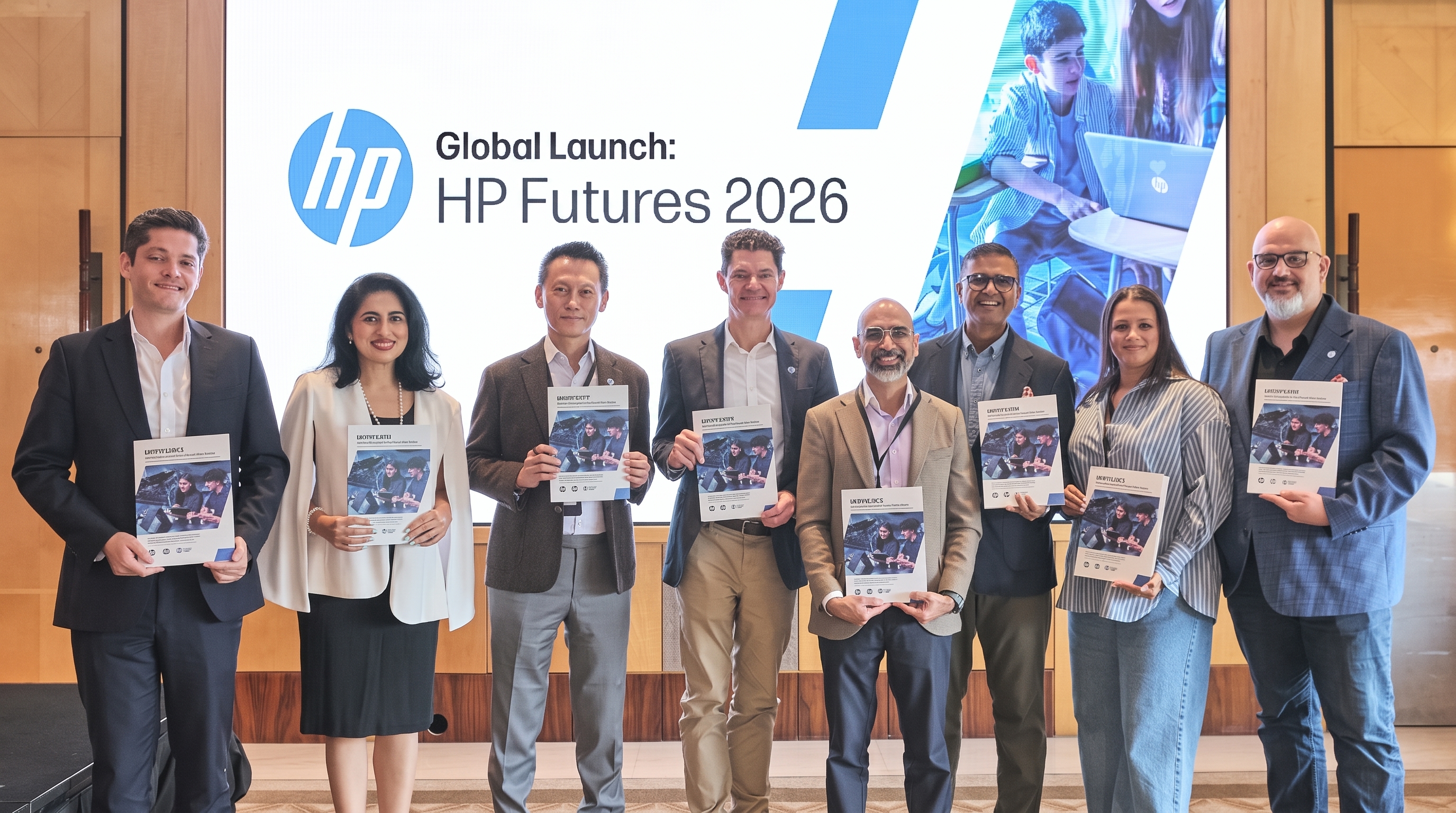
Kenya and other countries need to rethink how they prepare young people for the workplace, placing greater emphasis on skills that remain valuable as artificial intelligence transforms how people learn and work, according to a new report released by HP and its partners.
The HP Futures 2026 report argues that education systems must do more to help students develop creativity, critical thinking, communication and collaboration — abilities that are likely to remain essential even as technology changes the nature of work.
Led by HP, the Global Learning Council and the Education Leaders Forum, the initiative brought together 58 education leaders, policymakers and experts on the future of work to examine how schools and other learning institutions can better prepare young people for the challenges ahead.
The report calls on policymakers to establish clear plans for embedding these so-called durable skills into mainstream education, rather than treating them as optional activities outside the classroom.
It argues that such skills should receive the same attention as other core subjects, with dedicated teaching time, funding and assessment methods to help students develop and demonstrate their abilities.
The recommendations come as education systems grapple with the implications of artificial intelligence, including questions about which skills young people will need as technology reshapes jobs and workplace expectations.
Closing the gap in access to future-ready skills
The report warns that efforts to prepare students for an AI-driven economy could deepen inequality if programmes are designed without considering the needs of public schools and communities with limited resources.
It recommends approaches that can work in low-resource settings, including teacher-led use of artificial intelligence, learning tools that require little internet bandwidth and technology programmes with predictable costs.
The report also stresses that literacy, numeracy and learning that helps students develop a sense of identity must remain at the heart of education. Rather than forcing schools to choose between foundational knowledge and future-ready skills, it advocates creative, hands-on teaching methods that develop both at the same time.
Teachers, it says, will remain central to this effort. Policymakers should provide educators with the support and resources needed to help students build the capabilities increasingly valued by employers.
Assessment, however, remains a major obstacle to making these skills a standard part of education, according to the report.
Schools need reliable ways to measure students’ progress, while universities and employers need a common understanding of what those assessments mean. The report therefore recommends standardised assessment pathways that allow durable skills to be recognised across educational institutions and national borders.
Such systems could help students demonstrate their abilities beyond traditional academic qualifications, making it easier for universities and employers to identify skills developed in different learning environments.
The report also calls on policymakers to involve students in designing curricula, arguing that young people’s experiences and perspectives should inform how future-ready skills are taught.
Preparing students for an AI-driven economy
David McQuarrie, HP’s chief commercial officer and chair of HP Futures, said educators, policymakers and employers shared responsibility for preparing young people for the opportunities and challenges they would encounter throughout their lives and careers.
“As artificial intelligence rapidly transforms how we learn and work, that responsibility has never been more important,” McQuarrie said.
He added that education systems needed to do more to help students develop, demonstrate and continually strengthen capabilities that would remain useful as technology evolved.
Mayank Dhingra, HP’s director and global head of education business and strategy, said the findings pointed to a need for new education models that recognise durable skills and allow students to obtain credentials that are understood by universities and employers across countries.
He said interoperable, internationally recognised credentials could give higher education institutions and employers a shared benchmark for assessing these abilities.
Dhingra also warned that access to AI-era education and the ability to demonstrate durable skills should not become another source of structural inequality.
He urged education leaders and policymakers in Kenya and elsewhere to examine the report’s findings as they consider how to prepare students for a changing world of work.
How the report was compiled
The HP Futures 2026 report draws on an online survey conducted between May and June 2026 that received 6,206 responses from students in 37 countries. The survey was available in English, Spanish, Portuguese, Bahasa Indonesia, Italian and Arabic.
Respondents ranged in age from under 12 to over 25, with 88 per cent of those who provided their age falling between 12 and 17.
In addition to the survey, the initiative convened 58 experts for roundtable discussions and individual interviews. It also gathered case studies from schools, universities, employers, non-governmental organisations and public education systems around the world.
The report’s findings are intended to inform discussions about how education systems can adapt to technological change while ensuring that students have the knowledge and skills to participate in the future workforce.
The full report is available at HP Futures 2026.