Proposed Basel Waste Rules Could Put Kenya’s Mitumba Trade and Livelihoods at Risk, Study Finds

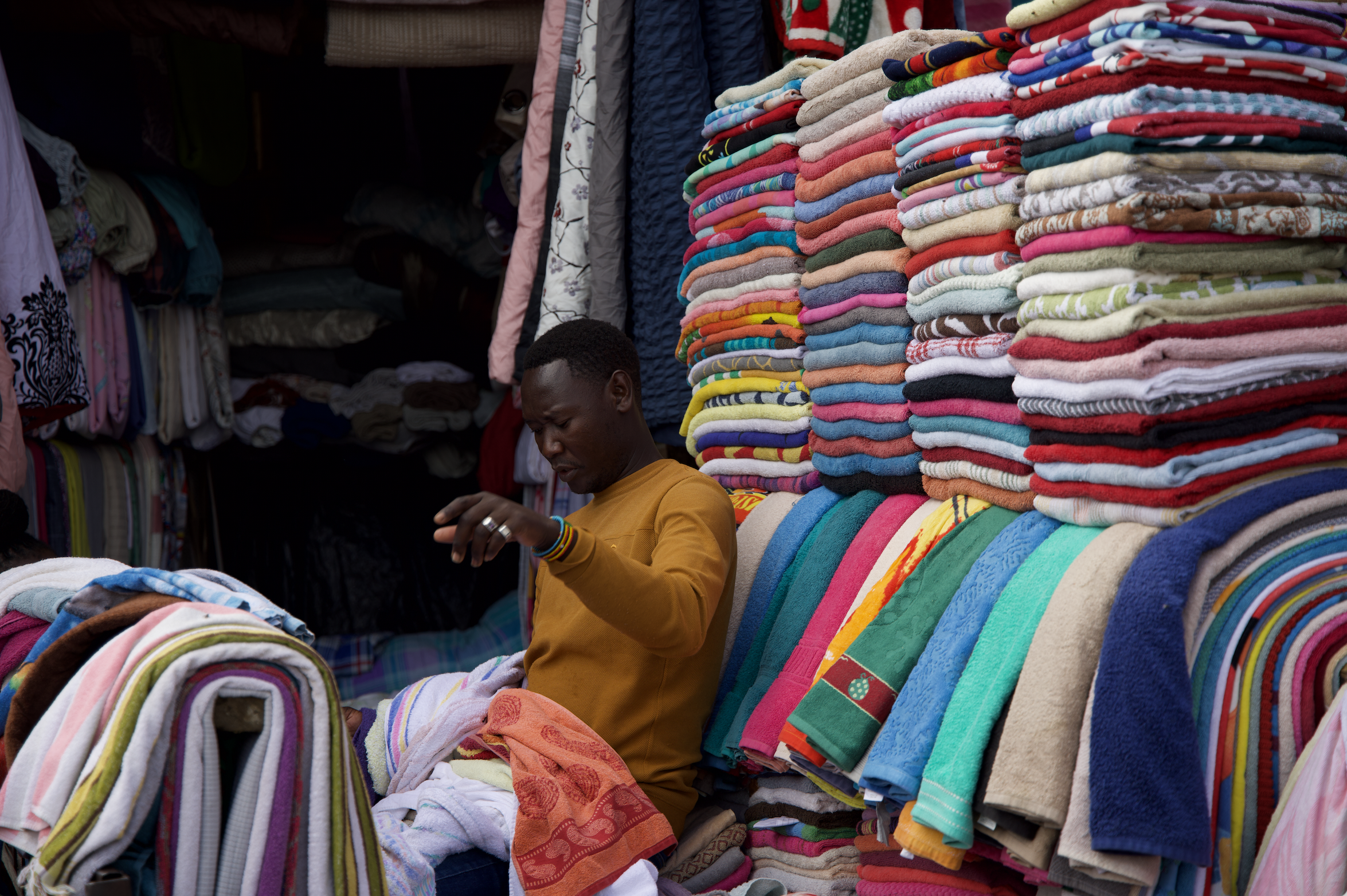
Kenya’s multi-billion-shilling second-hand clothing trade could face significant disruption if reusable garments are brought under tighter waste controls proposed under the Basel Convention, according to a new study by the IVL Swedish Environmental Research Institute.
The study, commissioned by Humana LT, warns that treating reusable second-hand clothing as waste could increase costs, delay shipments and threaten livelihoods across Kenya’s mitumba value chain, while delivering limited environmental benefits.
The findings come as parties to the Basel Convention prepare to consider options for regulating used textiles. Countries have until November 30, 2026, to submit comments ahead of the 18th Conference of the Parties (COP-18), scheduled for Panama in April 2027.
Kenya is one of Africa’s major destinations for second-hand clothing, a trade that has become an important source of employment and affordable clothing for millions of people.
The study estimates that up to two million people in Kenya are directly or indirectly involved in the sector, which includes importers, wholesalers, retailers, transporters, market operators and other businesses supporting the trade.
For many low-income households, mitumba also provides access to clothing at prices that may be considerably lower than new garments.
Delays could disrupt trade
Mathias Gustavsson, senior researcher at IVL Swedish Environmental Research Institute and lead author of the study, said reusable clothing imported into Kenya should be distinguished from waste.
“Second-hand clothing imported to Kenya is not waste. It is sorted, inspected before export and importers pay deposits when they place their orders, because they know exactly what they are buying,” Gustavsson said.
He said classifying the clothing as waste could introduce additional procedures and delays into an established commercial supply chain.
“Treating it as waste would add months of delay and extra cost to a trade that many low-income Kenyans rely on for work and affordable clothing, while doing little to reduce waste,” he said.
According to the study, applying the Basel Convention’s Prior Informed Consent (PIC) procedure could increase shipment timelines from the current 30 to 40 days to between one and six months.
The researchers warn that such delays, combined with additional compliance costs, could place pressure on traders operating on relatively narrow margins and reduce the volume of clothing entering the Kenyan market.
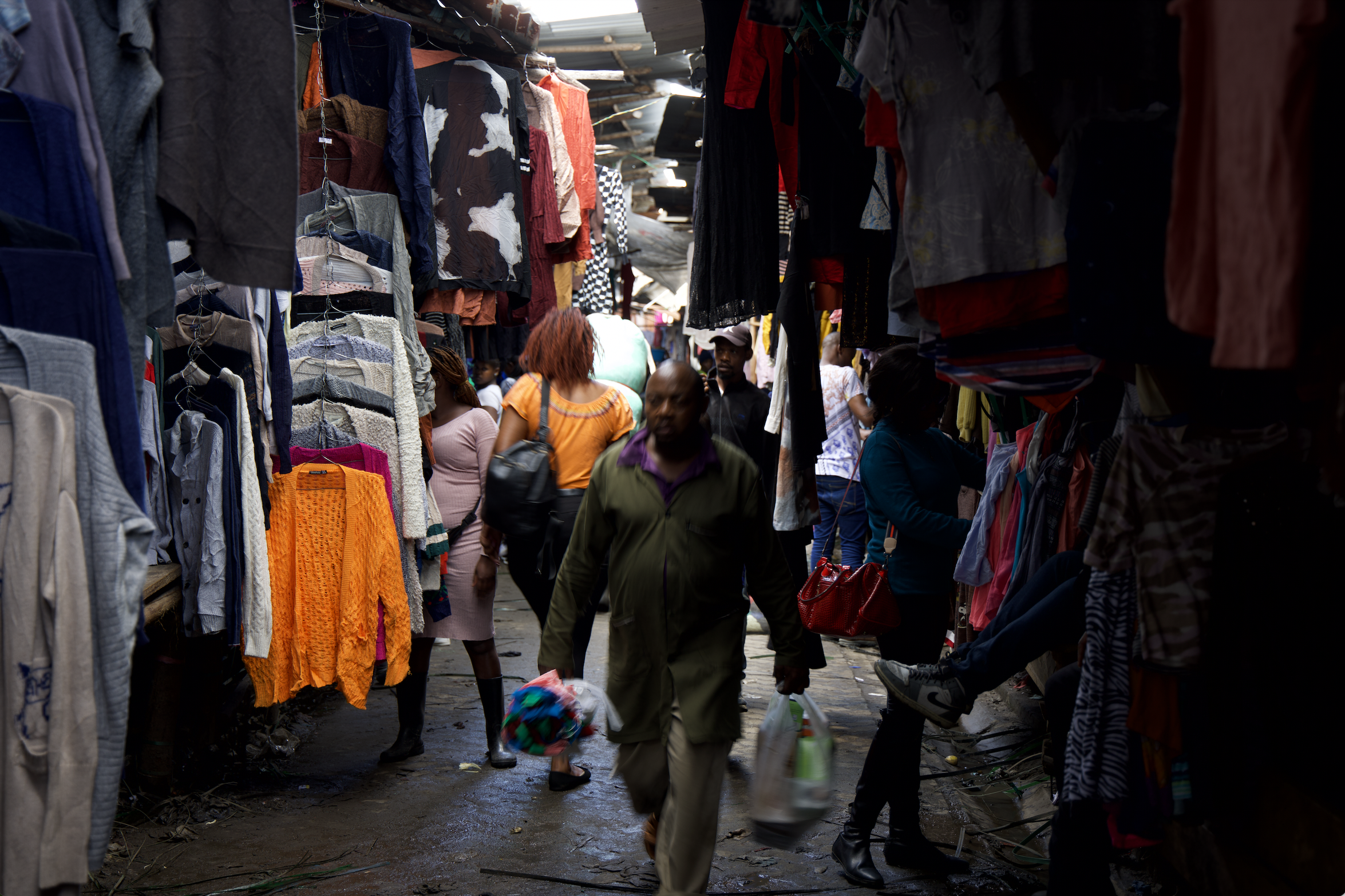
The report identifies a potential collapse of the second-hand clothing trade as the main economic risk under the proposed controls.
Impact on affordable clothing
The study also warns that higher import and compliance costs could ultimately be passed on to consumers through higher prices and reduced supply.
This could particularly affect low-income households that depend on second-hand clothing as an affordable alternative to new garments.
Kenya's second-hand clothing imports were valued at about US$230 million in 2024, according to the study, exceeding the country's imports of new ready-made clothing.
The trade also contributes tax and duty revenues to government while supporting businesses and household incomes across the country.
Teresiah Wairimu Njenga, chairperson of the Mitumba Consortium Association of Kenya (MCAK), said the sector plays an important role in both household consumption and employment.
“Mitumba is how millions of Kenyans dress, and how up to two million people, many starting out with very little, earn a living,” Njenga said.
She said the sector supports measures aimed at reducing waste but argued that clothing intended for reuse should not automatically be treated as waste.
“We support positive policy initiatives to reduce waste, but quality-sorted clothing that Kenyans want to buy should not be classified as waste,” she said.
Researchers question environmental gains
The study also examines the potential environmental benefits of applying Basel waste controls to reusable second-hand clothing.
According to the researchers, clothing entering Kenya through established second-hand trade channels is already sorted and inspected before export. Evidence from studies in East Africa and Ghana cited in the report indicates that only about 1 to 2 per cent of a typical bale consists of material that cannot be reused.
The researchers therefore argue that imposing additional restrictions on reusable clothing could have limited environmental benefits.
They also warn that restricting the availability of second-hand synthetic garments could encourage consumers to purchase new, low-cost clothing, potentially shifting environmental impacts rather than eliminating them.
Call for clearer trade classifications
The report recommends updating trade classifications to distinguish clothing prepared and verified for reuse from textile waste intended for recycling, recovery or disposal.
A key issue is the overlap between HS6309, the customs code covering worn clothing and other worn textile articles, and Basel B3030, the Basel Convention category covering non-hazardous textile waste.
The researchers say clearer classifications would help separate reusable second-hand clothing from textile materials destined for recycling or disposal.
The study distinguishes these materials from HS6310, which covers rags and worn-out textile articles generally destined for recycling, recovery or disposal.
The report examines two scenarios emerging from the Basel Convention's 2025 consultation. The first, described as a Waste Control scenario, would broadly expand PIC requirements and introduce restrictions on certain synthetic-fibre garments. The second, referred to as a Building a Circular Economy scenario, would treat verified reusable textiles as second-life products.
Both scenarios recognise the need to address overlapping trade and waste classifications, according to the report.
The research was based partly on fieldwork conducted in Nairobi between mid-March and early April 2026. Researchers interviewed stakeholders across Kenya's textile value chain, as well as participants in Sweden and recycling actors in the European Union.
The study focuses specifically on textiles considered suitable for reuse and does not cover clothing intended for recycling or final disposal.
As the Basel Convention consultation deadline approaches, the findings are likely to add to the debate over how international waste rules should distinguish between discarded textiles and used products that still have a viable market and economic value.