The War on Deepfakes: How Nations are Fighting Back

YatichEditor · · Updated 1 October 2026 · 3 min read

Advertisement
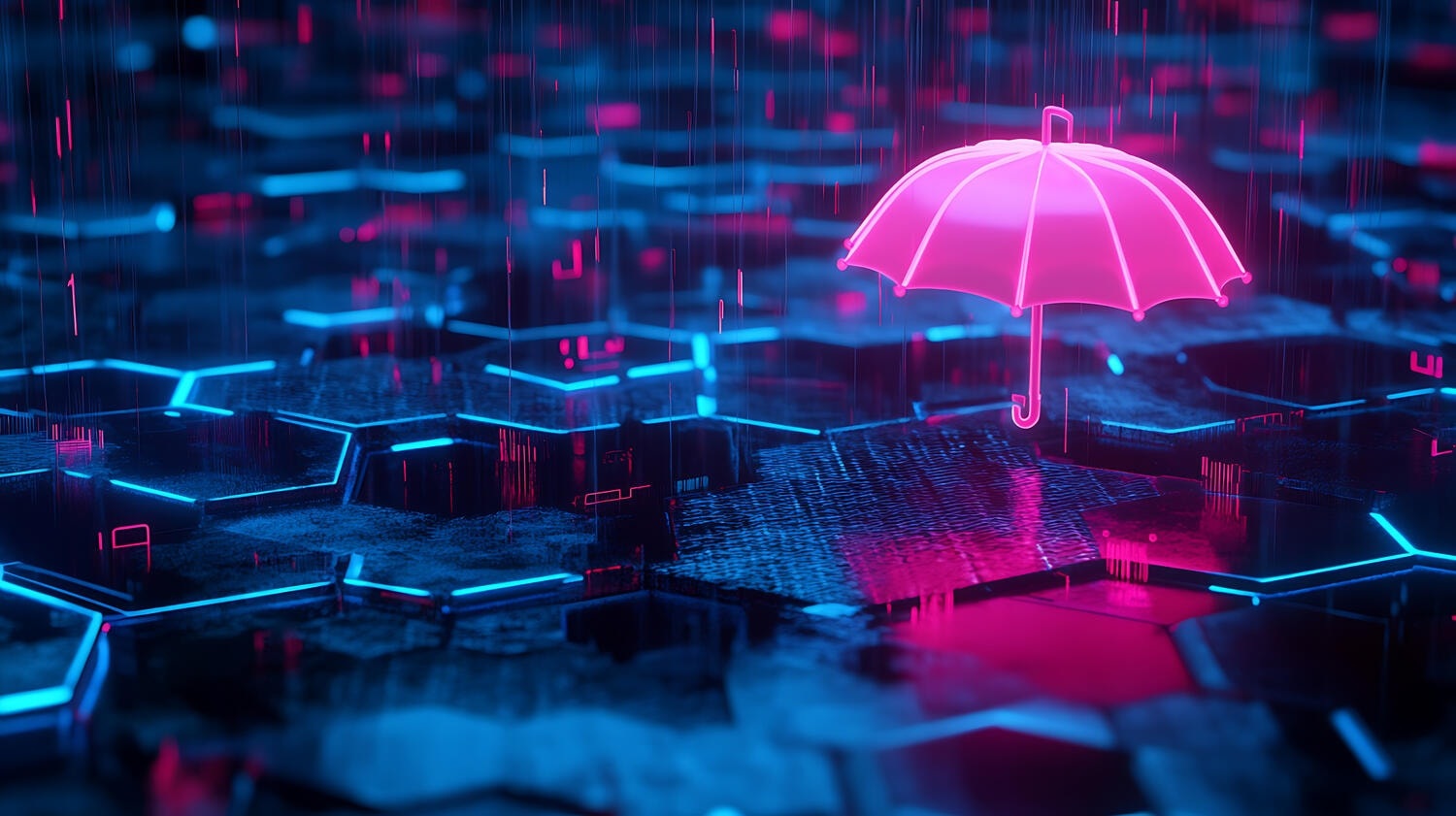
As deepfake technology evolves at a rapid pace, countries around the world are grappling with how best to address its dangers.
As deepfakes become increasingly sophisticated, countries worldwide are actively grappling with their disruptive potential. Egypt and South Korea, both navigating significant digital shifts while prioritizing reliable information, provide distinct but potentially synergistic models for addressing this evolving threat.
One is investing heavily in artificial intelligence to pre-empt threats, while the other is drawing a firm legal line to protect democratic processes. Together, they highlight a global shift in cybersecurity priorities, now increasingly focused on AI-driven misinformation and deepfake abuse.Egypt Leads Regional Cybersecurity with AI-Powered Strategy
At CAISEC 2025, held on May 25-26, Egypt showcased its ambition to lead the Middle East and Africa in cybersecurity resilience. Under the auspices of the Ministry of Communications and Information Technology (MCIT), the event brought together over 5,000 key players in tech, defense, and policy, and also 9 Ministers, 6 Arab Cybersecurity Leaders, 180 Speakers. A landmark announcement came in the form of a strategic partnership between Resecurity (US) and Alkan CIT (Egypt). Their joint focus on AI-based threat intelligence, dark web surveillance, and cyber defense infrastructure places Egypt on the digital frontlines of a rapidly evolving threat landscape. This was complemented by global firm Exabeam, which introduced AI-powered Security Operations Center (SOC) platforms aimed at predictive threat detection—tools that are increasingly vital as malicious use of AI, including deepfakes, accelerates.South Korea Responds with Legal Firepower
While Egypt enhances its technical defenses, South Korea is reinforcing the legal boundaries around deepfake misuse. With less than a week until the June 3 presidential election, the National Election Commission (NEC) filed criminal complaints against three YouTubers under a newly amended Public Official Election Act. These individuals allegedly created and posted:- AI-generated images of a candidate in prison attire,
- Ten deepfake videos using synthetic news anchors,
- Disparaging content on personal social media, aimed at influencing voter perception.
A Growing Global Threat
The urgency behind these responses becomes even more evident when viewed alongside data from the Views4You Deepfake Database:- 98% of known deepfakes online relate to non-consensual explicit content.
- A rising share targets public figures and election candidates, often via fabricated endorsements or defamatory narratives.
- Deepfake impersonation has already led to cases of financial fraud, corporate sabotage, and reputational damage.
Advertisement
CalloutFor submissions, interviews, tips, press releases or sponsored posts email info@afritechmedia.co.ke