
Thailand is deepening its dominance in the global medical tourism market, as a growing number of international travellers seek healthcare experiences that extend beyond hospital treatment to include holistic recovery and wellness.
The country, which attracts over 2.5 million medical tourists annually, is increasingly positioning itself at the intersection of advanced medicine and lifestyle-focused healing. Industry observers say this shift reflects changing patient expectations, with more travellers prioritising environments that support long-term wellbeing alongside clinical care.
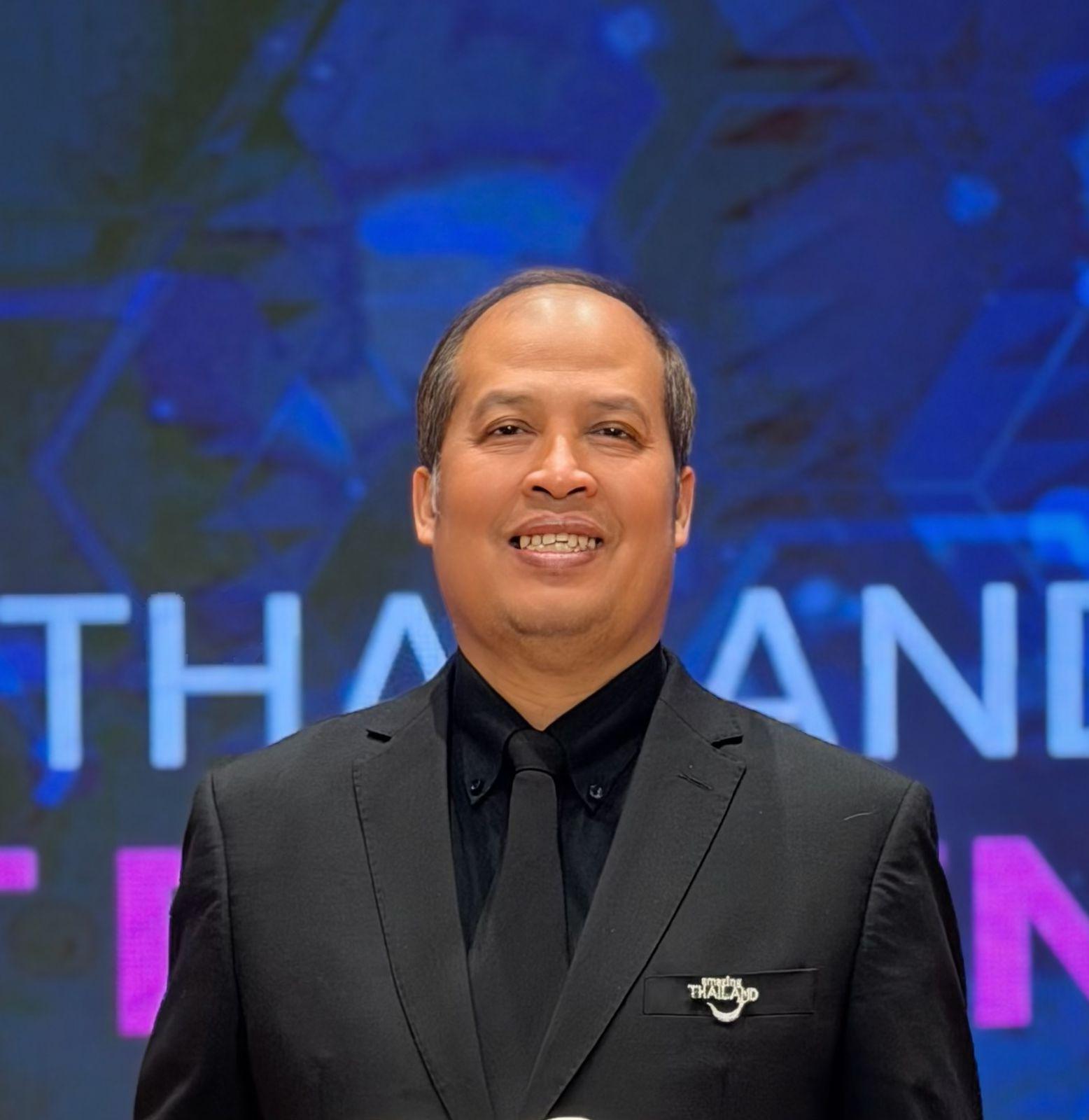
Ahman Mad-Adam, Director of the Tourism Authority of Thailand Dubai Office, says the evolution is being driven by demand for more personalised recovery journeys.
“Patients today want more than successful procedures. They are looking for experiences that help them regain balance, rebuild strength and return to daily life feeling fully restored,” he said.
Thailand’s strong healthcare infrastructure continues to underpin its global appeal. In Bangkok, leading institutions such as Bumrungrad International Hospital and Samitivej Hospital offer internationally accredited services and attract patients from across the world.
What is setting the country apart, however, is the rapid growth of integrated wellness centres designed to complement medical treatment. Facilities such as the RAKxa Integrative Wellness Centre are pioneering a model that combines modern diagnostics with traditional healing practices, delivering tailored programmes that address both physical recovery and mental wellbeing.
These programmes typically include guided exercise, therapeutic treatments, nutrition planning and stress management, allowing patients to recover in a structured yet relaxing environment. The approach is particularly appealing to travellers seeking post-treatment rehabilitation as well as those pursuing preventive health goals.
Beyond the capital, destinations like Chiang Mai, Phuket and Koh Samui are gaining traction as wellness hubs, offering a combination of natural landscapes and specialised care facilities that enhance the recovery experience.
Stakeholders note that Thailand’s integrated approach also aligns with its broader sustainability agenda, with a focus on creating health-focused environments that are both environmentally responsible and conducive to long-term wellbeing.
As global healthcare trends continue to evolve, Thailand’s ability to seamlessly blend medical expertise with wellness innovation is expected to strengthen its position as a leading destination for travellers seeking comprehensive healing experiences.