Biodiversity Summit Ends with Funding Gap for Africa
The 30×30 conservation push has renewed attention on protection targets, but the summit closed without enough funding for Africa.
In this article
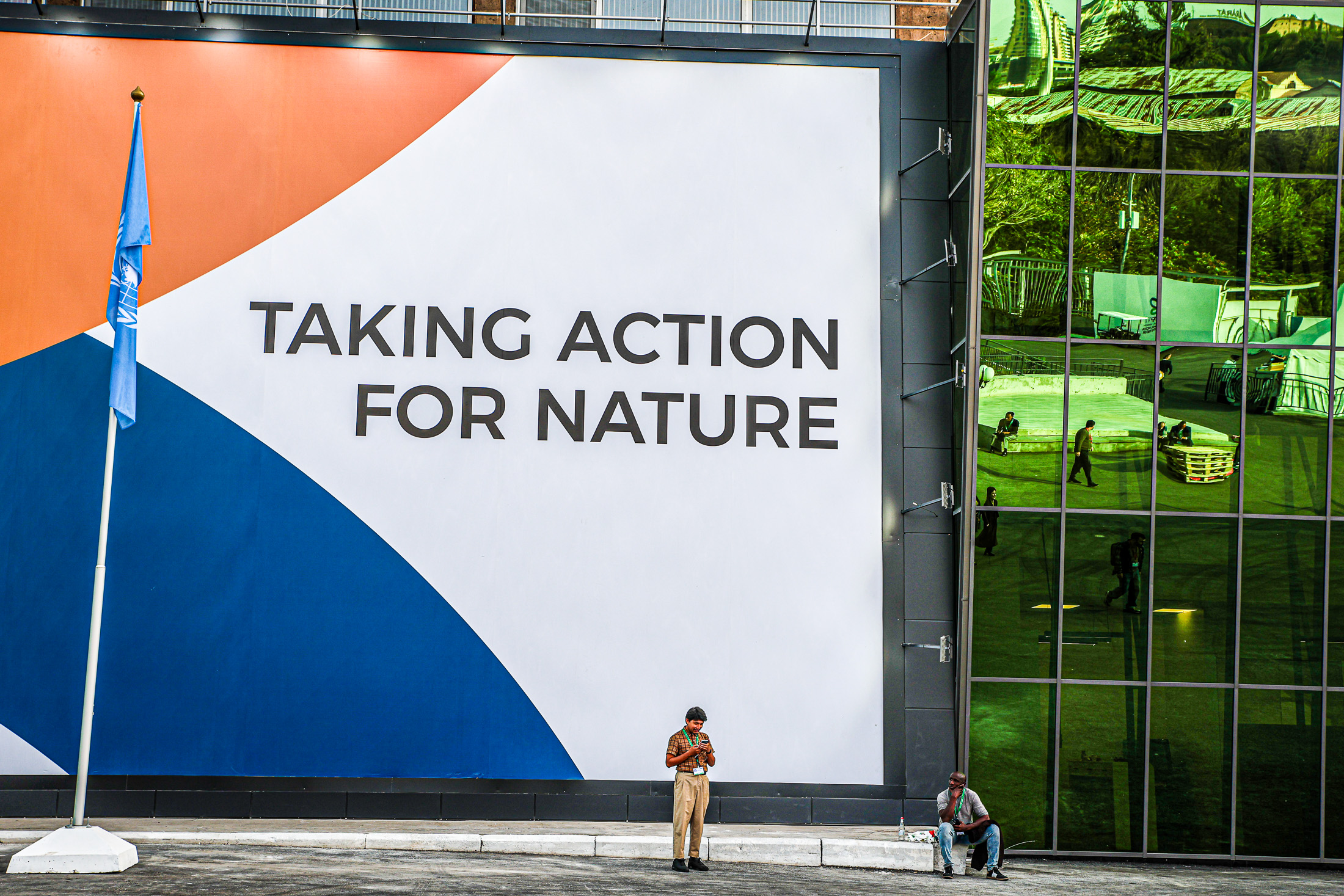
A global biodiversity summit ended with a funding shortfall for Africa even as governments pressed ahead with the 30×30 goal: protecting 30% of the world’s land and sea by 2030. The outcome leaves African governments facing a practical question: how can they expand conservation when the financing needed to support it remains insufficient?
The summit’s closing result points to a divide between an international target and the resources available to deliver it. The details available do not specify the size of the shortfall, which countries or programmes face the greatest gaps, or how much funding was pledged. Those figures matter: without them, governments and communities cannot assess how far the money falls below need or who is expected to close the difference.
What does the funding shortfall mean for Africa?
A funding gap means that conservation commitments do not, by themselves, provide the money to implement them. Governments may need resources to manage protected areas, monitor ecosystems, consult communities and enforce conservation rules. The precise costs depend on the place and the policy; a funding shortfall at a global summit does not reveal what any individual African country can spend or what it needs.
The consequences therefore depend on how the gap affects national plans and local projects. If public budgets or external support do not cover agreed activities, governments may have to delay work, narrow its scope or seek financing from other sources. Those are possible responses, not confirmed decisions by any country named in the summit outcome.
For citizens, the design of conservation measures matters alongside the funding total. Governments need to explain how protected areas will be managed, how affected communities will be consulted and what rules will apply to land and resource use. A target measured only in hectares would not answer those questions. Nor does the summit’s reported shortfall establish that any particular community has lost access to land or resources.
Why does the 30×30 goal depend on funding?
The 30×30 goal sets an area-based target: protect 30% of land and sea by 2030. Reaching a percentage target requires decisions about which places count, how protection is defined and how authorities will manage and monitor designated areas. Funding can support that work, but the summit’s closing result indicates that finance for Africa remains inadequate despite the push for the target.
That creates a gap between agreement and implementation. Governments can endorse a shared objective, yet still need to find money for staff, administration, field operations and oversight. The summit details available here do not set out which of those functions face a shortfall, or whether funding is intended to come through grants, loans, national budgets or other channels. Without that breakdown, it is difficult to compare commitments with the costs of delivery.
Who needs to act on the financing gap?
National governments, international funders and institutions responsible for biodiversity policy all have a part in converting a global objective into funded national plans. The summit outcome, as described, does not identify which actors offered support or assign them specific amounts. It would therefore be premature to attribute the shortfall to a particular government or funding institution.
A useful next step would be a clear account of the resources available, the remaining gap and the countries or programmes expected to receive support. Public reporting should also explain the timing and conditions of finance. A pledge without a schedule does not tell a conservation agency when it can plan work; a total without information on its terms does not show whether recipient governments can use it for their priorities.
African governments, in turn, need information they can connect to national budgets and implementation plans. Clear project costs, assigned responsibilities and public progress measures would help legislatures and citizens assess whether promises are reaching the work they are meant to support. The summit outcome alone does not establish that such plans have been revised or that new funds have been approved.
What are the implications for African businesses?
The funding gap is relevant to businesses whose activities depend on land, water and marine resources, as well as firms that operate near protected areas or supply conservation projects. But the summit’s outcome does not announce new business rules, investment incentives or restrictions. Companies should not treat the 30×30 push as evidence that a specific permitting change has already taken effect.
For investors and operators, the immediate practical issue is policy clarity. Governments can make conservation plans easier to assess by publishing where protection measures apply, how communities will be involved and what approval processes businesses should follow. For local enterprises, predictable rules and consultation can help clarify how conservation decisions may affect access, operations and potential contracts. These are implementation questions, not funding commitments confirmed by the summit.
The shortfall also raises a question about the balance between public and private finance. The available outcome details do not say whether businesses are expected to contribute or what safeguards would govern any private investment. Any future financing proposal will need clear terms so that the source of money, its intended use and the oversight arrangements can be assessed.
What should be watched after the summit?
The next evidence of progress will be concrete: a quantified funding gap, named contributors, delivery dates and country-level plans that explain how money will support conservation. Governments and funders should also make clear how progress toward 30×30 will be measured and how affected communities will take part in decisions.
Until those details are available, the summit has established a clear tension rather than a complete financing plan: the 30×30 goal remains a focus of international conservation efforts, while Africa still faces a funding shortfall. The next decisive step is for governments and funders to publish the amount needed, the amount secured and the timetable for closing the difference.