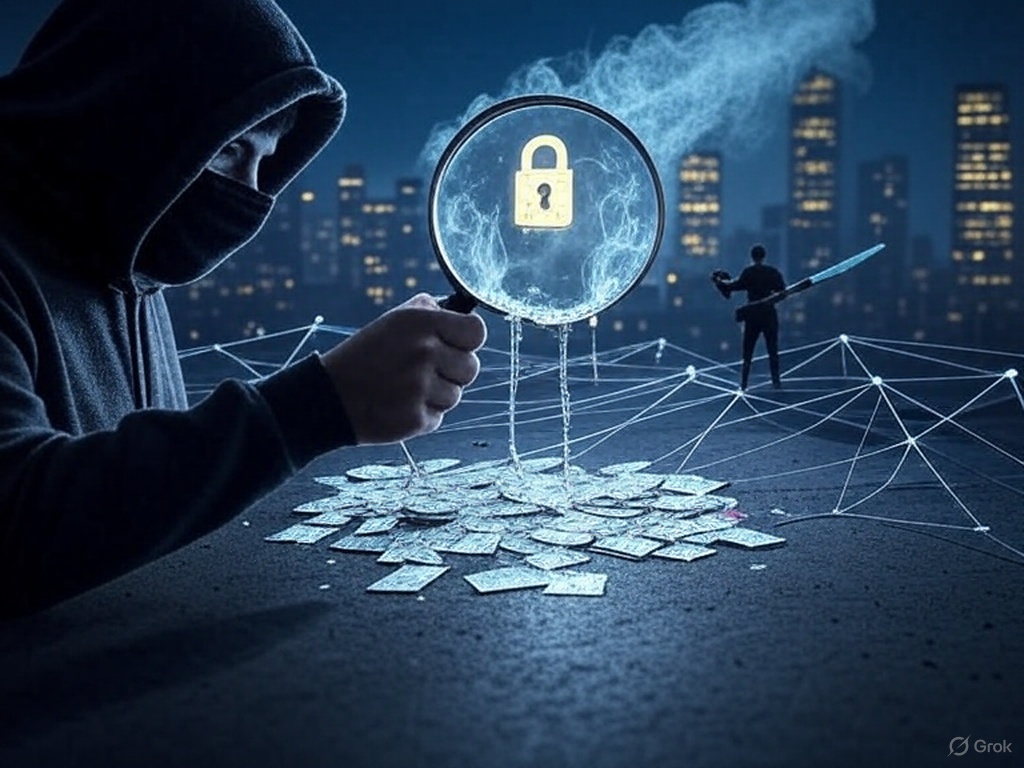

Cyberattacks are more than just a technical nuisance—they’re a financial and reputational nightmare.
A single data breach can cost companies millions and erode customer trust that took years to build. According to Vakaris Noreika, a cybersecurity expert at NordStellar, cybercriminals can purchase leaked data capable of triggering a devastating, million-dollar security breach for as little as $100.
This alarming reality underscores the growing threat of infostealers, a type of malware that’s cheap, efficient, and dangerously accessible to bad actors.
We’ll explore what infostealers are, how cybercriminals use them to target businesses, and actionable steps companies can take to protect themselves.
The Soaring Cost of Data Breaches in 2024
The financial impact of data breaches has reached unprecedented levels. In 2024, the average cost of a data breach was $4.88 million, a 10% increase from 2023, according to industry reports. As the stakes continue to rise, businesses face not only monetary losses but also damaged reputations and disrupted operations.
Vakaris Noreika warns that infostealers are a key driver behind these costly breaches. “Infostealers have been a significant cybersecurity concern for years due to their speed, ease of spread, and efficiency,” he says. “Anyone can become a target, and while attacks are often random, cybercriminals can also deploy infostealers for highly targeted strikes against businesses.”
What Are Infostealers and How Do They Work?
Infostealers are a type of malware designed to infiltrate systems and devices to steal sensitive personal and corporate data. Once installed, they collect a wide range of information, including:
-
Login credentials (usernames and passwords)
-
Browser cookies
-
Credit card details
-
Personal files (photos, documents, and more)
“Infostealers are quick, easy to spread, and highly efficient,” Noreika explains. They typically infiltrate systems through:
-
Phishing emails: Malicious links or attachments that trick users into downloading malware.
-
Malicious advertisements: Ads on compromised websites that deliver malware when clicked.
-
Scams: Fake software updates or downloads that install infostealers.
Once the malware gains access, it compiles stolen data into a stealer log, a digital package containing emails, passwords, financial details, and other valuable information. These logs are then sold on the dark web, deep web, or even public platforms like Telegram.
The Shockingly Low Cost of Infostealers
What makes infostealers particularly dangerous is their affordability for cybercriminals. Noreika reveals that stealer logs are sold at shockingly low prices:
-
A weekly subscription to a private channel selling stealer logs costs around $81.
-
A monthly subscription averages $200.
-
Cybercriminals can purchase 16 gigabytes of personal information for just $1.
These low costs make infostealers accessible to even low-budget hackers, amplifying the scale and frequency of attacks. For businesses, this means a single employee’s compromised credentials could lead to a catastrophic breach.
How Hackers Use Infostealers to Target Businesses
Stealer logs contain a diverse mix of personal data from countless victims, making them a treasure trove for cybercriminals. Hackers purchase these logs to:
-
Commit identity theft: Using stolen credentials to impersonate victims.
-
Drain bank accounts: Accessing financial accounts with stolen credit card details or banking credentials.
-
Execute personalized scams: Leveraging personal data to craft convincing phishing attacks.
For businesses, the real danger lies in what happens when an employee’s credentials end up in a stealer log. “Hackers can identify a company by checking the email domain and use those credentials to infiltrate the enterprise’s network,” Noreika says. Once inside, cybercriminals can:
-
Steal sensitive data, such as client information or proprietary secrets.
-
Disrupt operations by deploying ransomware and demanding hefty payouts.
-
Sell stolen corporate data on the dark web for additional profit.
Infostealers as a Service: A Growing Threat
Beyond purchasing pre-stolen data, cybercriminals can also buy infostealers as a service. This model allows hackers to acquire notorious malware like RedLine or LummaC2 and deploy it themselves. Subscription fees for these services range from a few hundred dollars to over $1,000, depending on the malware’s functionality and complexity.
“Cybercriminals gain full control over how and where the malware is deployed, by purchasing infostealers as a service,” Noreika explains. “This enables highly targeted attacks, making businesses far more attractive targets than individuals due to the potential for massive financial gains.”
Protecting Your Business from Infostealers
The accessibility and efficiency of infostealers make them a formidable threat, but businesses can take proactive steps to safeguard their operations. Noreika emphasizes that employees are the first line of defense, but a comprehensive cybersecurity strategy is essential to mitigate human error.
Here are key measures to protect your business:
1. Educate Employees on Cybersecurity Best Practices
Train employees to recognize and avoid common infostealer delivery methods:
-
Avoid clicking on suspicious email links or attachments.
-
Steer clear of questionable websites or pop-up ads.
-
Refrain from downloading unauthorized software or files.
Regular cybersecurity awareness training can significantly reduce the risk of employees falling victim to phishing or scams.
2. Implement Robust Cybersecurity Tools
A strong cybersecurity foundation can limit the damage of a breach. Essential tools include:
-
Antivirus software: Detects and removes malware before it can cause harm.
-
Multi-factor authentication (MFA): Adds an extra layer of security to prevent unauthorized access, even if credentials are compromised.
-
Network segmentation: Isolates critical systems to limit the spread of malware within the network.
3. Monitor the Dark Web for Leaks
Actively monitor the dark web for signs of company or employee data leaks. Early detection allows businesses to respond quickly, such as resetting compromised credentials or strengthening defenses.
4. Develop a Comprehensive Cybersecurity Strategy
A holistic approach to cybersecurity ensures that even if an employee makes a mistake, the business remains protected. This includes regular security audits, incident response plans, and ongoing employee training.
The Bottom Line: Stay Vigilant Against Infostealers
Infostealers represent a growing and cost-effective threat for cybercriminals, enabling them to wreak havoc on businesses for minimal investment. With the average data breach costing nearly $5 million in 2024, companies cannot afford to overlook this danger.
As Vakaris Noreika aptly puts it, “A strong cybersecurity foundation ensures the business stays protected, even when human error occurs.” Take action today to safeguard your organization from the looming threat of infostealers.