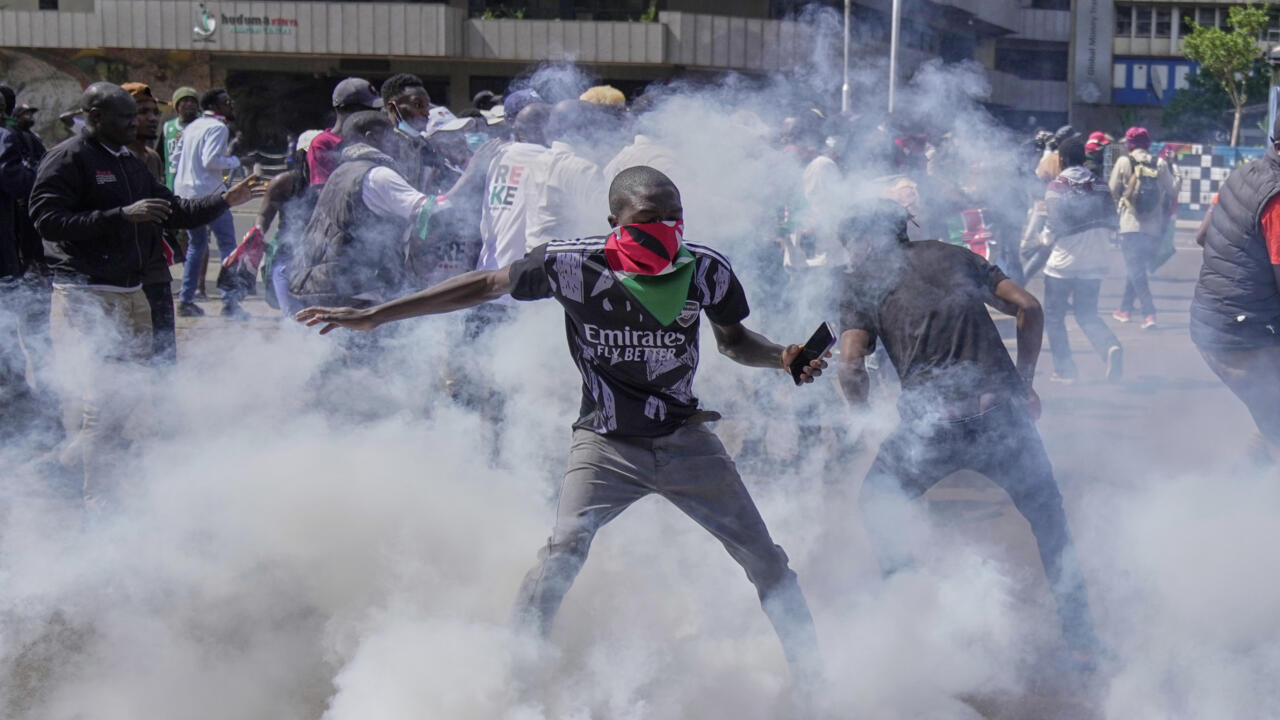

A new corporate defence strategy is taking shape in Kenya. As the country anticipates a tense political cycle in 2026, businesses are executing a financial pivot, redirecting resources from general economic cushioning towards targeted security fortification.
The latest World Security Report from G4S and Allied Universal reveals that political instability (45%) and civil unrest (43%) have formally displaced economic volatility as the paramount concerns for Kenyan chief security officers.
This recalibration of risk comes despite a notable bright spot: the fear of economic instability has receded to 41%, down 11 percentage points from the previous year. Yet, this economic optimism is tempered by a stark reality.
The legacy of recent Gen Z-led protests has instilled a new level of operational anxiety, with 21% of Kenyan firms—the highest proportion in Sub-Saharan Africa—bracing to be directly impacted by demonstrations in the year ahead.
The corporate response is not merely reactive; it is strategic and capital-intensive. A decisive 79% of Kenyan businesses are set to increase their physical security budgets, a clear signal that the C-suite is treating this political risk as a tangible and immediate threat to the balance sheet.
The spending, however, is shifting from brute force to intelligent prevention. The leading investment priorities are cybersecurity-era defences: new technology and infrastructure (83%), sophisticated risk assessments (71%), and regulatory compliance (66%).
“Political and civil unrest can have an immediate and costly impact on businesses and investor confidence,” stated Laurence Okelo, Managing Director of G4S Kenya. He confirms that security leaders are actively “bolstering their physical security programmes in response.”
The urgency is financially justified. The report quantifies the direct cost of unrest, with 45% of Kenyan companies reporting revenue losses from recent security incidents.
Institutional investors, whose perspectives are included in the study, have issued a stark warning: they estimate a major security incident could erase up to 32% of a listed company’s market value.
This creates a complex challenge for businesses navigating Kenya’s evolving landscape. While the economy may be showing tentative signs of improvement, the ground beneath corporate assets has become more volatile.
The focus for 2026 is no longer just about weathering financial headwinds, but about installing shock absorbers for a potentially turbulent political ride.